Kevin Keegan Biography: Age, Wife, Family, Career, Stats, Records and Net Worth
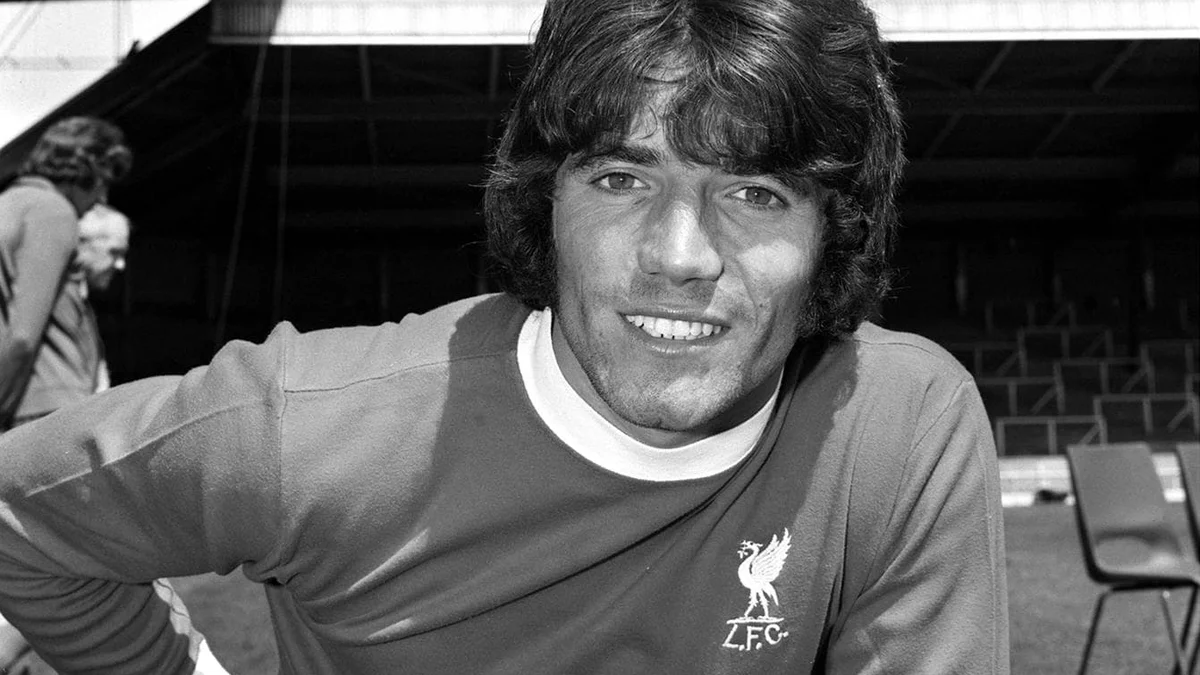
Kevin Keegan was an English footballer and manager who became one of the most famous players of his era, winning three league titles and the European Cup with Liverpool and the Ballon d’Or twice with Hamburg. Born on 14 February 1951 in Armthorpe, near Doncaster, Keegan played 323 games and scored 100 goals for Liverpool, won 63 caps and 21 goals for England, and captained his country 31 times. As a manager he built the Newcastle United side known as the Entertainers, managed England at Euro 2000, and won promotion as a champion with three different clubs. He died on 20 July 2026, at the age of 75, after a battle with cancer.
This biography covers the full story: his early life in a mining family in South Yorkshire, his rise from Fourth Division football to Liverpool and the European Cup of 1977, his two Ballon d’Or awards in Germany, his England captaincy, his playing and managing spells at Newcastle United, his family life, and his final months.
Quick Facts
| Detail | Fact |
|---|---|
| Full name | Joseph Kevin Keegan |
| Date of birth | 14 February 1951 |
| Date of death | 20 July 2026, aged 75 |
| Place of birth | Armthorpe, Doncaster, England |
| Height | 1.73 m (5 ft 8 in) |
| Position | Forward |
| Club career | Scunthorpe United, Liverpool, Hamburger SV, Southampton, Newcastle United, Blacktown City, 1968 to 1985 |
| Liverpool appearances | 323 in all competitions, 100 goals |
| England caps | 63 caps, 21 goals, 1972 to 1982, captain in 31 matches |
| Ballon d’Or | Winner 1978 and 1979, the only English player to win the award twice |
| Teams managed | Newcastle United, Fulham, England, Manchester City |
| Nicknames | King Kev, Mighty Mouse |
Early Life
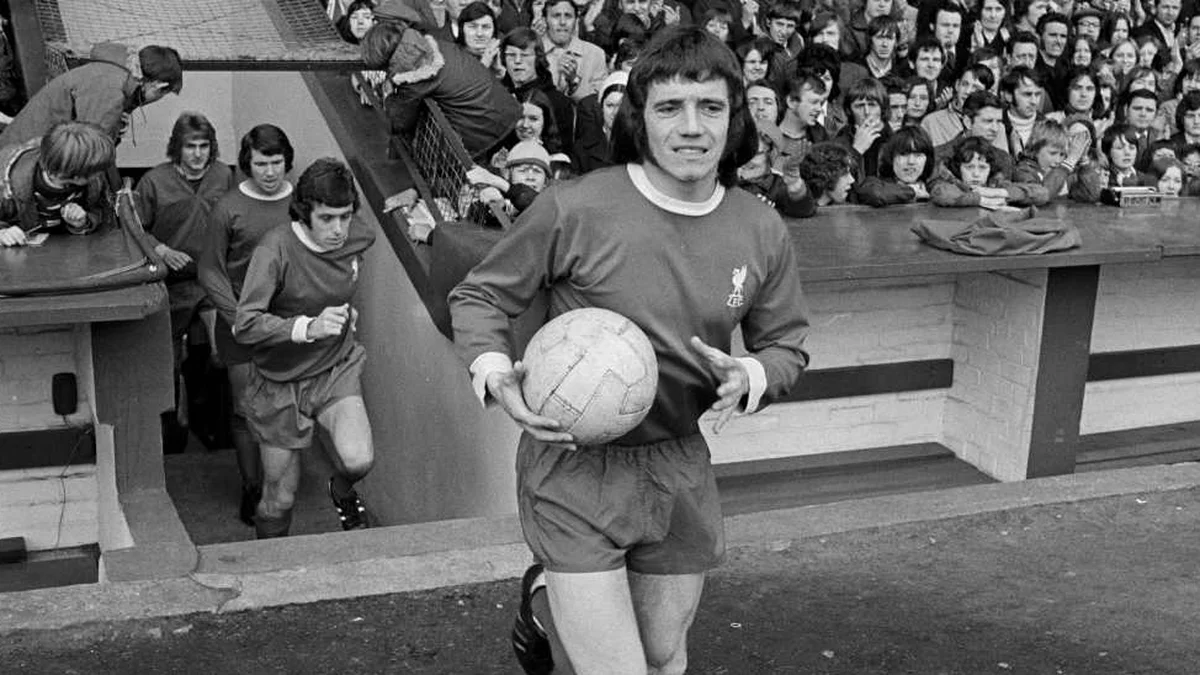
Joseph Kevin Keegan was born on 14 February 1951 in Armthorpe, a village near Doncaster in South Yorkshire. His father Joe worked as a miner in a South Yorkshire colliery, and his father supported Newcastle United, the club his son would one day play for and manage. Keegan grew up in a working family and played his first football with a local youth side, Enfield House. As a teenager he was rejected by Doncaster Rovers and by Coventry City, and for a time it looked as if the professional game would pass him by.
Scunthorpe United gave him his chance. Keegan joined the Fourth Division club as a youth player in 1967 and made his senior debut in 1968, at the age of 17. He was small and slight in build, so he trained to add strength, running up and down the steps of the stands at the Old Show Ground while carrying weights. He played much of his early football in midfield, and over three seasons he made 124 league appearances and scored 18 goals, his energy and eye for goal marking him out as a player far too good for the Fourth Division.
Club Career
Scunthorpe United and the Move to Liverpool (1968-1971)
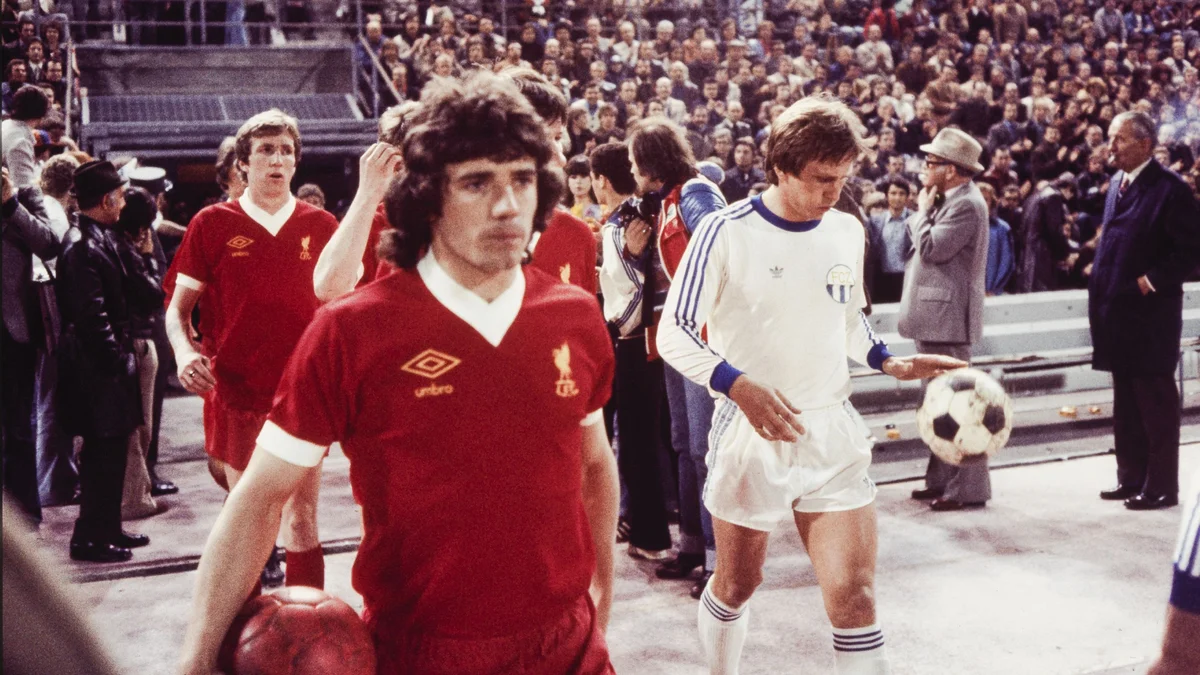
In May 1971, Liverpool manager Bill Shankly signed Keegan from Scunthorpe for a fee reported at 35,000 pounds. Shankly had bought him as a midfielder and as a possible long-term replacement for Ian Callaghan, but a practice match at Melwood changed the plan. Keegan played up front in the practice game, impressed everyone watching, and Shankly threw him straight into the first team for the opening league game of the 1971-72 season.
Liverpool and the Glory Years (1971-1977)
Keegan made his Liverpool debut against Nottingham Forest at Anfield on 14 August 1971 and scored after only 12 minutes in a 3-1 win. He formed a famous partnership with the tall Welsh forward John Toshack: Toshack won the ball in the air, and Keegan, quick and sharp, fed on the knockdowns. In 1972-73 Liverpool won the First Division title and the UEFA Cup, the first European trophy in club history. In 1974 Liverpool beat Newcastle United 3-0 at Wembley to win the FA Cup.
Liverpool won the league title and the UEFA Cup again in 1975-76. Keegan scored in both legs of the UEFA Cup final against Club Brugge, and he was named Footballer of the Year by the Football Writers Association for 1976. In 1976-77 Liverpool retained the league title and won the European Cup for the first time, beating Borussia Moenchengladbach 3-1 in Rome. Keegan, marked by Berti Vogts, won the penalty that Phil Neal scored to complete the win. It was his final game for Liverpool. In six seasons he played 323 games in all competitions and scored 100 goals, with 68 goals in 230 league appearances.
Hamburg and the Ballon d’Or Years (1977-1980)
In the summer of 1977 Keegan moved to Hamburger SV in West Germany for 500,000 pounds, a fee close to double the German transfer record. He was reported at the time to be the highest paid footballer in Europe, and some Hamburg players resented the new arrival at first. Keegan won them over with his work rate and his goals. Hamburg finished only tenth in the Bundesliga in his first season, yet Keegan was named European Footballer of the Year for 1978, the award now known as the Ballon d’Or. In 1978-79 he drove Hamburg to the Bundesliga title, the first league title for the club in 19 years, and won the Ballon d’Or again for 1979. He remains the only English player to win the award twice. Hamburg fans gave him the nickname Mighty Mouse, and in 1980 he reached the European Cup final with Hamburg, losing to Nottingham Forest in Madrid. Keegan played 90 league games for Hamburg and scored 32 goals.
Southampton and Newcastle United (1980-1985)
In February 1980, while still a Hamburg player, Keegan shocked English football by announcing that he would return home to join Southampton, a small First Division club managed by Lawrie McMenemy. The fee was 420,000 pounds. His arrival lifted Southampton to the top of the First Division table during the 1981-82 season, and Keegan was voted PFA Player of the Year for that season. He scored 37 goals in 68 league games for Southampton, but his relationship with McMenemy cooled, and in the summer of 1982 he moved on again.
Keegan signed for Newcastle United, a Second Division club, for 100,000 pounds. The signing of the England captain stunned Tyneside. On his debut at St James Park on 28 August 1982, in front of a crowd of 35,718, he scored the only goal of the game against Queens Park Rangers at the Gallowgate End. As captain he scored 48 goals in 78 league appearances, and in 1984 he led Newcastle to promotion to the First Division, ending six years outside the top flight. He then retired from English football, leaving St James Park by helicopter after the final home game of the season, and moved to Spain with his family. A short guest spell with Blacktown City in Australia in 1985, two games and one goal, closed his playing career.
Club Career Stats
| Club | Years | League Appearances | League Goals |
|---|---|---|---|
| Scunthorpe United | 1968-1971 | 124 | 18 |
| Liverpool | 1971-1977 | 230 | 68 |
| Hamburger SV | 1977-1980 | 90 | 32 |
| Southampton | 1980-1982 | 68 | 37 |
| Newcastle United | 1982-1984 | 78 | 48 |
| Blacktown City | 1985 | 2 | 1 |
| Career Total | 592 | 204 |
The table covers league football only. In all competitions Keegan played 323 games and scored 100 goals for Liverpool, the club where he won the largest share of his honours.
International Career
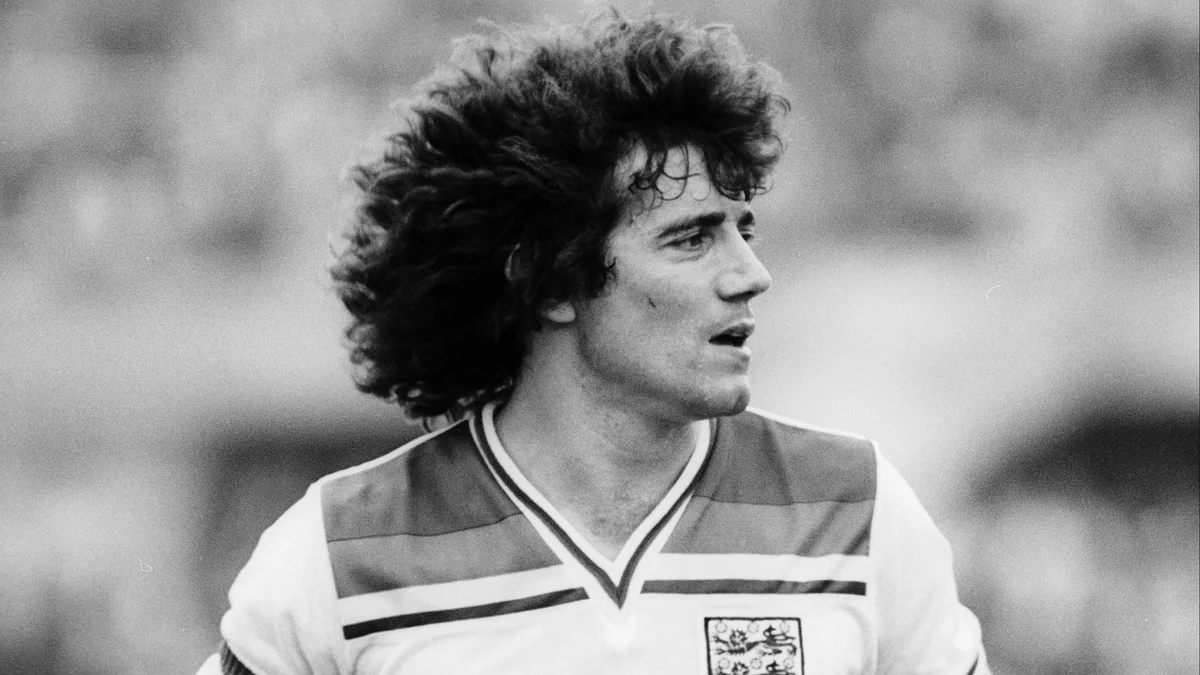
Keegan made his senior England debut on 15 November 1972 in a 1-0 World Cup qualifying win over Wales in Cardiff, under manager Alf Ramsey. He scored his first international goal in his third appearance, against Wales on 11 May 1974. He became a regular under Don Revie, who gave him the England captaincy in 1976 after an injury to Gerry Francis. Keegan went on to captain England 31 times, and he kept the armband until the end of his international career.
His England years brought frustration as well as pride. England failed to qualify for the World Cup finals of 1974 and 1978, so Keegan missed the tournament in his prime years. He captained England at the European Championship of 1980 in Italy, where England went out in the group stage. The World Cup of 1982 in Spain turned into the great heartbreak of his career. A back injury ruled him out of the group games, and in a desperate attempt to recover he drove from Spain to Germany for treatment from a specialist. He returned in time to appear as a substitute in the second round game against Spain on 5 July 1982. With the score at 0-0 and England needing to win, Keegan had a clear headed chance and sent the ball wide. The game finished goalless, England went out, and the appearance proved to be the last of his 63 caps. The new England manager Bobby Robson never selected him again.
| England Career | Record |
|---|---|
| Debut | 15 November 1972, against Wales |
| Final cap | 5 July 1982, against Spain, 1982 World Cup |
| Appearances | 63 |
| Goals | 21 |
| Matches as captain | 31 |
| Tournaments | European Championship 1980, World Cup 1982 |
Playing Style
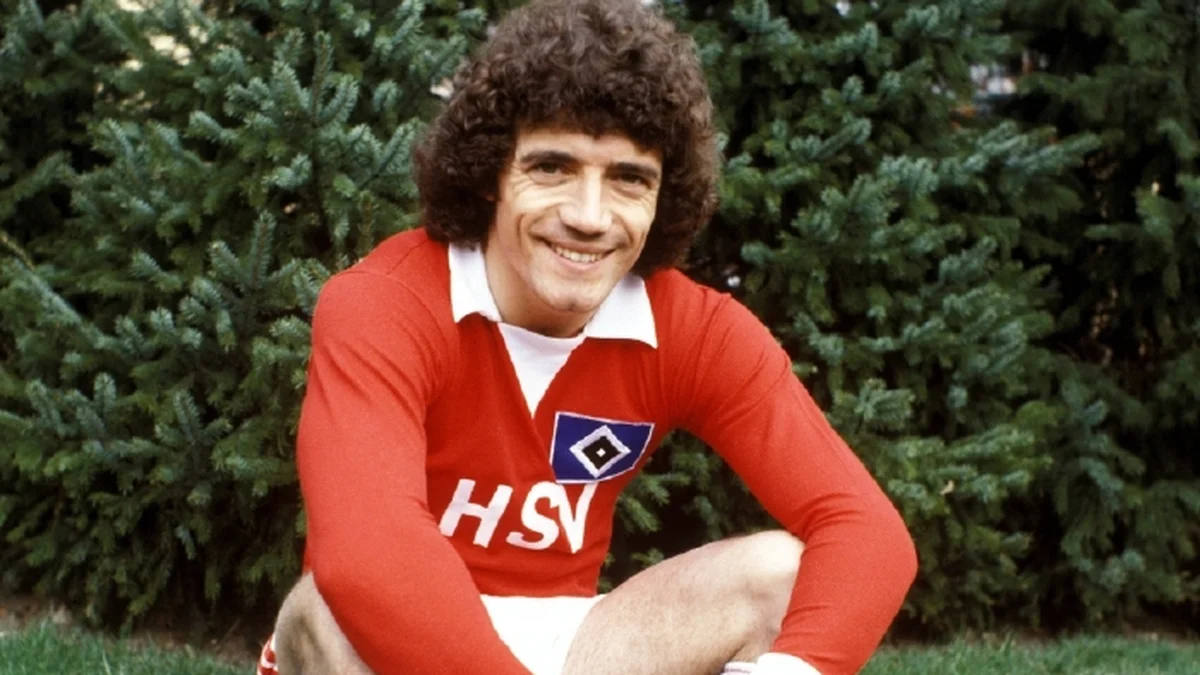
Keegan stood only 1.73 m tall, and he admitted more than once that he lacked the natural gifts of the very greatest players. He closed the gap with work. His game was built on explosive pace over the first metres, tireless running, sharp movement off the ball and brave, accurate finishing with both feet. For a small forward he was remarkably strong in the air, and defenders found his low centre of gravity hard to handle when he dribbled at speed. At Liverpool he was the energy of the attack, pressing, chasing and linking play between midfield and the penalty area. At Hamburg and Southampton he played with more freedom, dropping deep to create as well as to score.
Keegan was also a new kind of football star for his time, with a hit single in Germany, advertising deals and a public profile far beyond the sport. On the pitch, though, the image rested on effort that every supporter could see, and fans at Liverpool, Hamburg and Newcastle took him to their hearts.
Records and Achievements
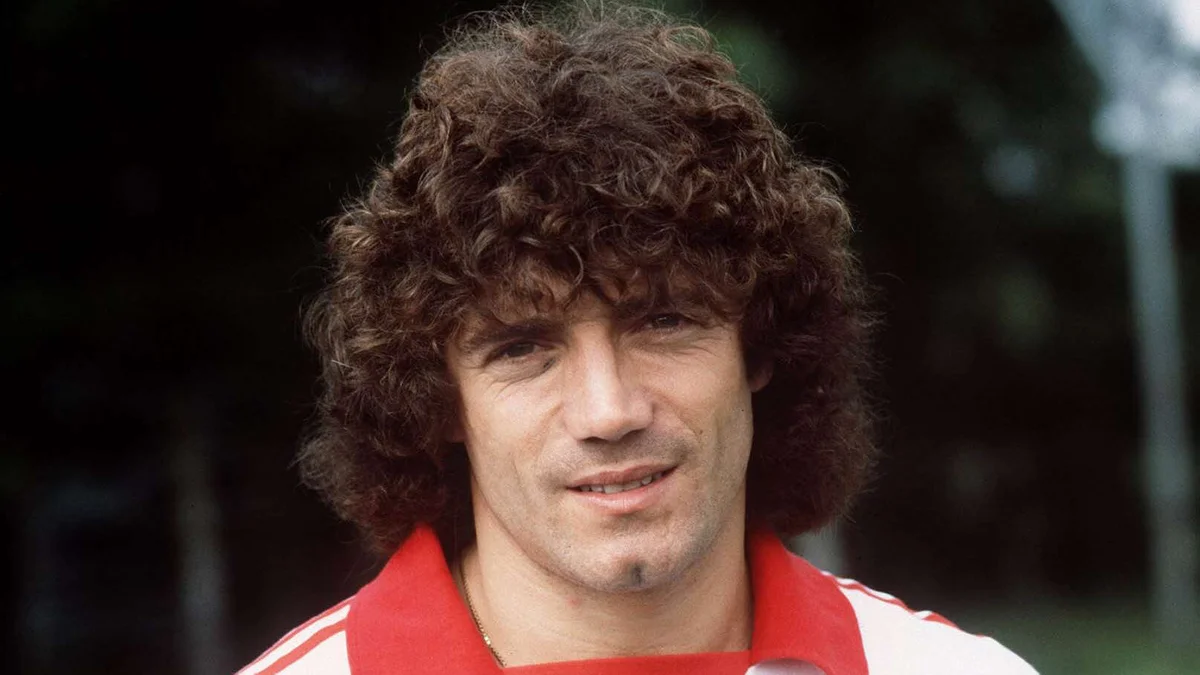
Keegan is the only English player to win the Ballon d’Or twice, taking the award in 1978 and 1979. He scored 100 goals in 323 appearances for Liverpool, captained England 31 times in 63 appearances, and won promotion to the First Division with Newcastle United as a player in 1984. As a manager he holds a rare record: promotion as a champion in his first full season with each of the three league clubs he managed in England, Newcastle United in 1993, Fulham in 1999 and Manchester City in 2002. His Newcastle team of the mid-1990s is still remembered as one of the most entertaining sides in Premier League history.
Awards and Honours
| Honour | Team or Level | Years |
|---|---|---|
| Football League First Division | Liverpool | 1972-73, 1975-76, 1976-77 |
| FA Cup | Liverpool | 1974 |
| European Cup | Liverpool | 1977 |
| UEFA Cup | Liverpool | 1973, 1976 |
| FA Charity Shield | Liverpool | 1974, 1976 |
| Bundesliga | Hamburger SV | 1978-79 |
| Football League Second Division promotion | Newcastle United | 1983-84 |
| Ballon d’Or | Individual | 1978, 1979 |
| FWA Footballer of the Year | Individual | 1976 |
| PFA Player of the Year | Individual | 1982 |
| OBE for services to football | Individual | 1982 |
| Football League First Division title, as manager | Newcastle United | 1992-93 |
| Football League Second Division title, as manager | Fulham | 1998-99 |
| Football League First Division title, as manager | Manchester City | 2001-02 |
Managerial Career
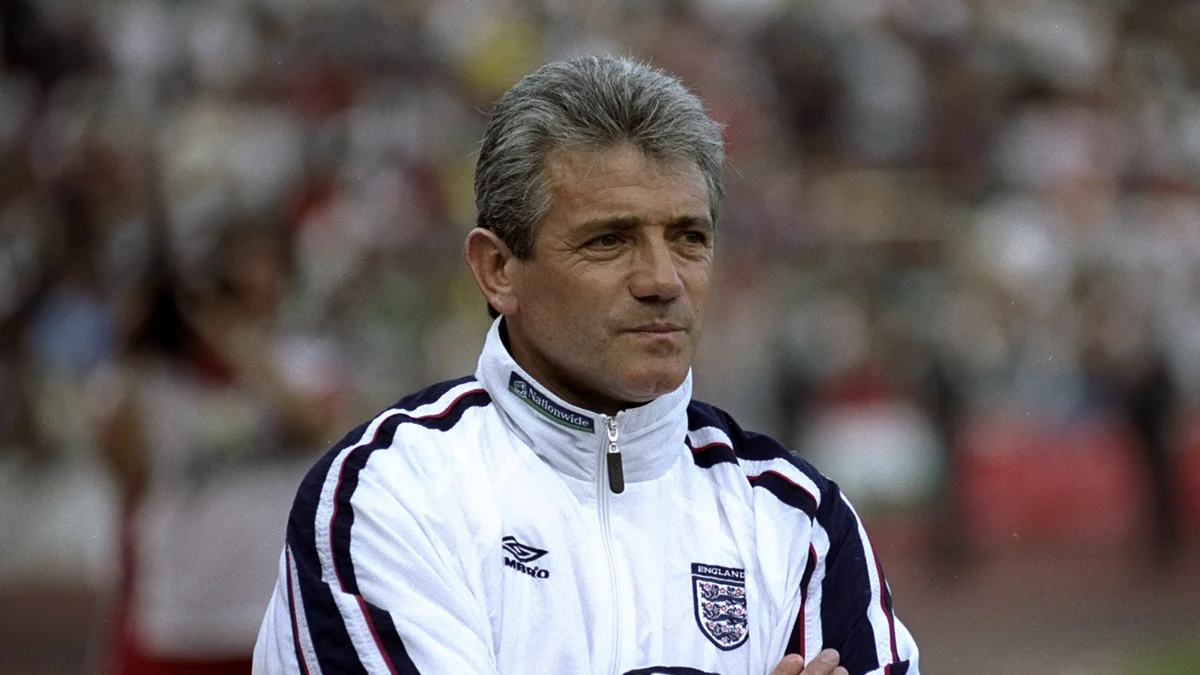
Keegan returned to Newcastle United as manager in February 1992. Newcastle stood near the bottom of the second tier and faced a first ever drop into the third tier. Keegan kept the club up, then led the side to the First Division title in 1992-93 and promotion to the Premier League. Newcastle finished third in the first season back, playing open, attacking football. Players such as Peter Beardsley, Andy Cole, Les Ferdinand and David Ginola starred in the side the country came to call the Entertainers.
In 1995-96 Newcastle led the Premier League by 12 points at one stage, only for Manchester United to close the gap and take the title. The pressure of the run-in produced the most famous interview of the Premier League era: after a 1-0 win at Leeds United in April 1996, Keegan jabbed a finger at the television cameras and declared that he would love it if Newcastle beat Manchester United to the title. In July 1996 he signed the local hero Alan Shearer from Blackburn Rovers for a world record fee of 15 million pounds. In January 1997, without warning, Keegan resigned. He said that he felt he had taken the club as far as he could.
In September 1997 Keegan returned to football as chief operating officer of Fulham, and in May 1998 he took over as manager of the side. Fulham won the Second Division title in 1998-99. In February 1999 he also took charge of England on a temporary basis, and in May 1999 he became England manager full time. He guided England through a play-off against Scotland to reach Euro 2000, where England beat Germany 1-0 but lost to Portugal and Romania and went out in the group stage. In October 2000, after a 1-0 defeat by Germany in the final match played at the old Wembley Stadium, Keegan resigned in the dressing room.
Keegan became manager of Manchester City in May 2001 and won the First Division title in his first season, with the side scoring a record number of goals for the division. He left City by mutual consent in 2005. In January 2008 he made a dramatic return to Newcastle United as manager, but the second spell ended in conflict with the club ownership. On 31 August 2008 the club signed the Uruguayan midfielder Ignacio Gonzalez on loan against his wishes, and Keegan resigned on 4 September 2008. A Premier League arbitration tribunal later ruled that he had been constructively dismissed and awarded him 2 million pounds in damages, and the club was ordered to pay his costs. It was his final job in management.
| Team | Period | Main Achievement |
|---|---|---|
| Newcastle United | February 1992 to January 1997 | First Division champions 1992-93, Premier League runners-up 1995-96 |
| Fulham | September 1997 to May 1999 | Second Division champions 1998-99 |
| England | February 1999 to October 2000 | Qualified for Euro 2000 through a play-off win over Scotland |
| Manchester City | May 2001 to 2005 | First Division champions 2001-02 |
| Newcastle United | January 2008 to September 2008 | Resigned 4 September 2008, constructive dismissal ruling followed in 2009 |
Net Worth
No reliable figure exists for the net worth of Kevin Keegan. Published estimates on low-quality celebrity websites vary widely and conflict with each other, and none of them comes from a verified source. This article therefore gives no net worth figure. What is certain is that Keegan earned large fees and wages: he was reported as the highest paid footballer in Europe at Hamburg, and he later held some of the most highly paid management jobs in English football.
Personal Life and Family
Keegan married Jean on 23 September 1974. The couple had met in 1968, the year of his senior debut at Scunthorpe, and they remained together for the rest of his life. They had two daughters, Laura and Sarah. His father Joe, the miner and Newcastle United supporter, shaped the values of hard work and loyalty to supporters that Keegan carried through his career. In 1976, at the height of his Liverpool fame, Keegan won the BBC television programme Superstars, even though he crashed his bicycle during the cycling event and raced again with cuts before going on to win the edition.
Away from football, Keegan kept his family life private. After his management career ended in 2008 he worked as a television pundit, as the lead pundit for ESPN from 2009 and with ITV at the 2010 World Cup. He stayed a hero on Tyneside, and he spoke out against the ownership of Newcastle United in later years when he believed the supporters were being let down.
Later Life, Illness and Legacy
In January 2026 the family of Kevin Keegan confirmed that he had cancer, after hospital checks on abdominal symptoms led to further tests. In June 2026 it was revealed that the cancer had reached stage four. Keegan died on 20 July 2026, at the age of 75, surrounded by his wife and daughters. Newcastle United described him as one of the most iconic and deeply loved figures in club history, and as the beating heart of Newcastle United for generations of supporters. Liverpool, Hamburg, Southampton, Scunthorpe United and the wider football world paid tribute to a player and manager who had defined an era at each of his clubs.
His legacy rests on more than the trophy list. Keegan showed that a player of ordinary size from an ordinary background could reach the very top of European football through work, courage and belief, in England and in Germany. As a manager he gave Newcastle United the most exciting team in club history. He was the first modern superstar of English football, and he never lost the common touch that made supporters believe he was one of their own.
Conclusion
Kevin Keegan rose from rejection as a teenager and Fourth Division football at Scunthorpe United to become the best player in Europe, winning the Ballon d’Or in 1978 and 1979. He won every major honour open to him at Liverpool, including the European Cup of 1977, captained England 31 times, and carried Newcastle United back to the top flight as a player before transforming the club again as a manager. His England career and his Newcastle title challenge of 1995-96 both ended in heartbreak, and he never hid the emotion of those moments. He died on 20 July 2026, at the age of 75, remembered as King Kev on Tyneside, as a Liverpool great, and as one of the most loved figures in the history of English football.
FAQs
How many times did Kevin Keegan win the Ballon d’Or?
Keegan won the Ballon d’Or twice, in 1978 and 1979, during his time with Hamburger SV in West Germany. He is the only English player to win the award twice. The first award came in a season when Hamburg finished only tenth in the Bundesliga, and the second after he led the club to the league title in 1978-79.
How many goals did Kevin Keegan score for Liverpool?
Keegan scored 100 goals in 323 appearances for Liverpool in all competitions between 1971 and 1977, including 68 goals in 230 league games. He won three First Division titles, the FA Cup, two UEFA Cups and the European Cup with Liverpool, and he played his final game for the club in the European Cup final win over Borussia Moenchengladbach in Rome in 1977.
How many caps did Kevin Keegan win for England?
Keegan won 63 caps for England and scored 21 goals between 1972 and 1982. He captained the side 31 times, led England at the European Championship of 1980, and made his final appearance as a substitute against Spain at the 1982 World Cup, when a back injury limited him to a short appearance in the 0-0 draw.
Why did Kevin Keegan resign as Newcastle United manager in 2008?
Keegan resigned on 4 September 2008 after Newcastle United signed the midfielder Ignacio Gonzalez on loan against his wishes on the final day of the transfer window. He argued that the agreement on his return in January 2008 had given him the final say on transfers. A Premier League arbitration tribunal agreed with him in 2009, ruled that he had been constructively dismissed, and awarded him 2 million pounds in damages, with the club ordered to pay his costs.
Which teams did Kevin Keegan manage?
Keegan managed Newcastle United twice, from 1992 to 1997 and again in 2008, and also managed Fulham, the England national team and Manchester City. He won promotion as a champion in his first full season at Newcastle United in 1992-93, at Fulham in 1998-99 and at Manchester City in 2001-02, and he took England to the Euro 2000 finals.
When did Kevin Keegan die?
Keegan died on 20 July 2026, at the age of 75. His family had confirmed in January 2026 that he was being treated for cancer, and in June 2026 it was revealed that the cancer had reached stage four. He died surrounded by his wife Jean and his daughters, and clubs across England and Germany paid tribute to him.