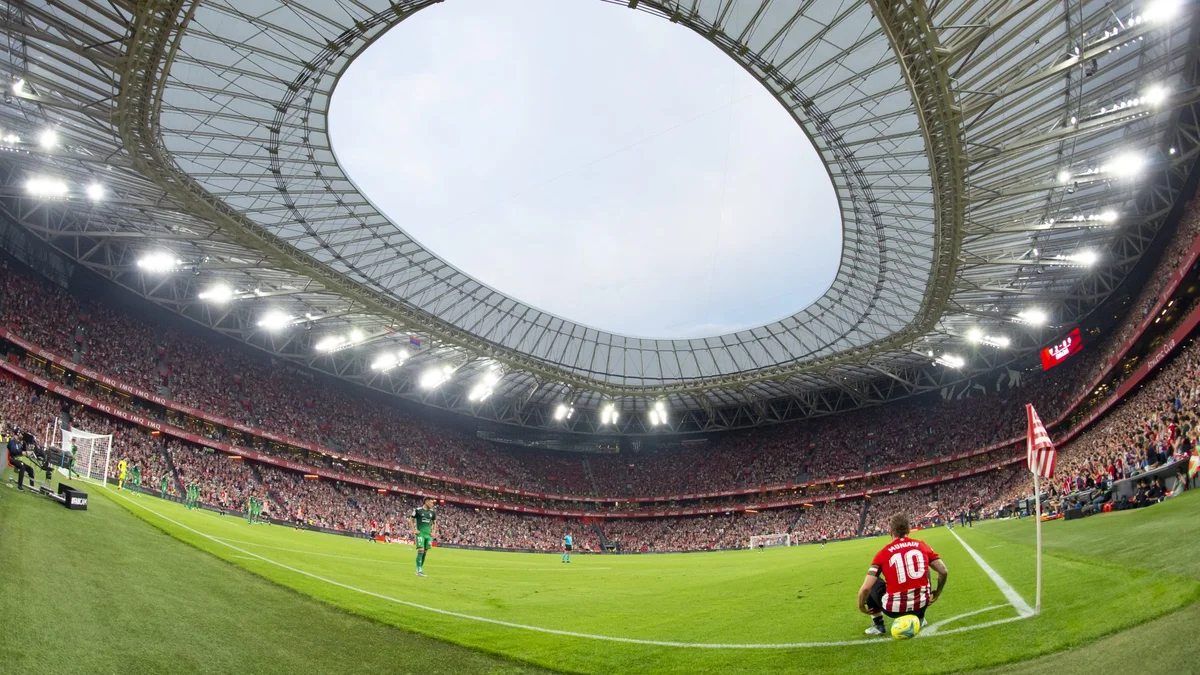
Athletic Sociedad Penalty Connected Ball Review Says Decision May Not Have Been Correct
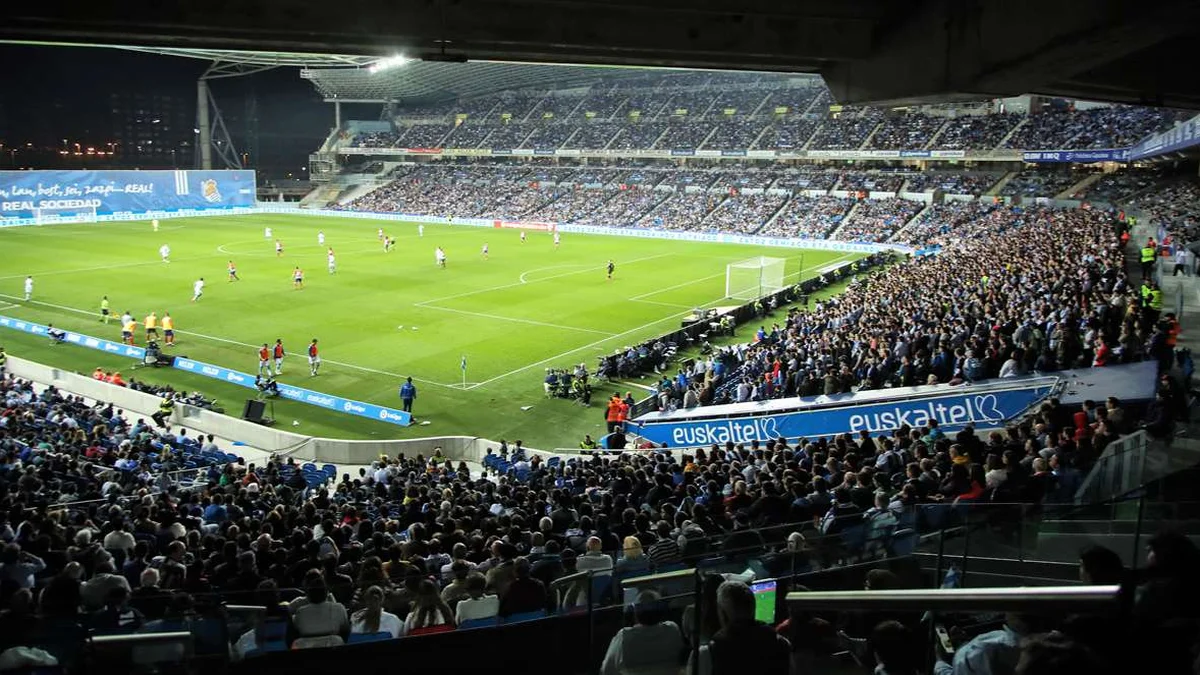
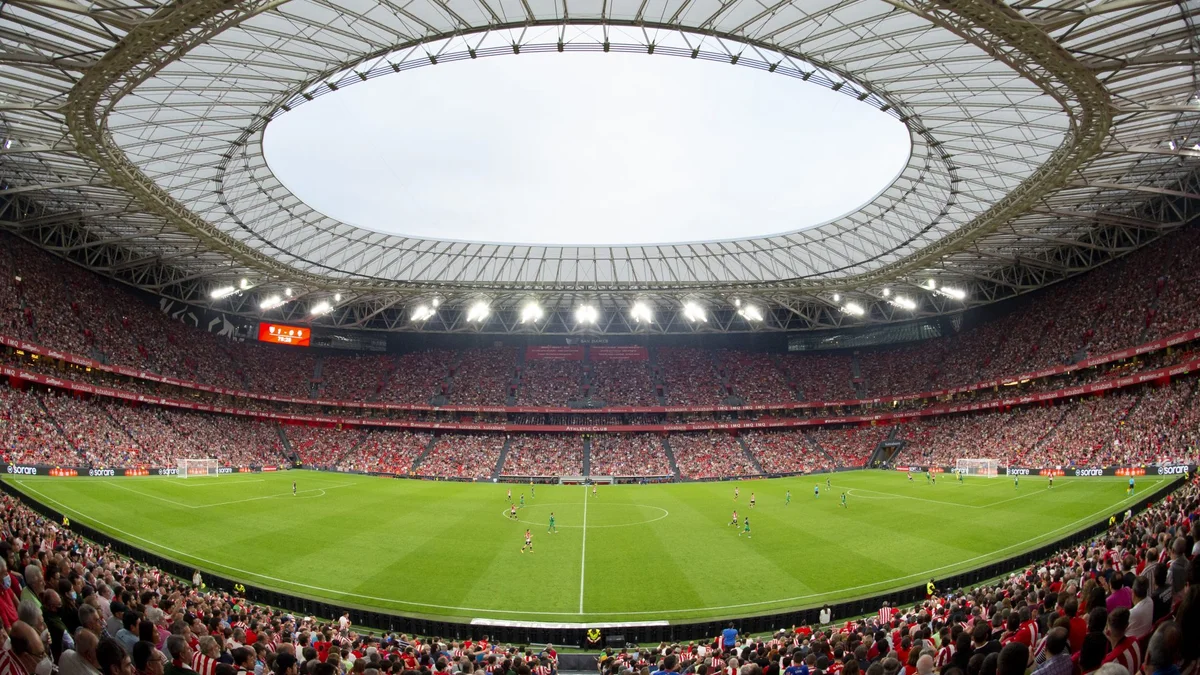
The Technical Refereeing Committee of the Royal Spanish Football Federation has examined the penalty decision in the Basque derby between Athletic Club and Real Sociedad at San Mames, and the findings raised a serious question about the use of technology in the match. The committee requested a report from Kinexon, the company behind the connected ball technology, to clarify what happened during the Matchday 11 match on Sunday 1 November. The controversy centred on the penalty that led to the second goal for the home side in a 2-1 win for Athletic Club.
The connected ball technology review focused on which player last touched the ball before the penalty was given. The referee awarded the penalty in the first half after judging that a Real Sociedad defender had fouled an Athletic Club forward. Staff in the video technology room reviewed the play and used the image available at the time from the connected ball technology. The review at the time pointed to the Athletic Club player touching the ball and the Real Sociedad player not touching the ball.
The committee later explained that the technical data told a different story once the signal was re-synchronised with the video. When the technical data was transferred to the television broadcast, the peaks in the signal did not line up with the contact moments in the way that the original presentation had suggested. The committee asked Kinexon to analyse exactly what had happened and to explain two peaks that appeared before the peak that had first been linked to the last touch by the Athletic Club player.
What the Athletic Sociedad penalty connected ball review found
Kinexon concluded that the most likely explanation was a slight difference in synchronisation between the signal from the ball and the video clip used in the video technology room. The difference ranged between approximately one and two frames, equivalent to 20 to 40 thousandths of a second, at a rate of 50 frames per second. In the original presentation, the signal peaks appeared just before the actual contact moments in the video by a small time difference.
The small difference may have led to the incident being interpreted as the Real Sociedad player not having touched the ball, because no additional peak appeared at the moment when contact seemed to occur in the video. When the signal was re-synchronised with the video after correcting the time difference, the data became consistent with what appears on screen, not only in the incident itself but also in the events that preceded and followed the incident. At that point, the most prominent peak matched the Real Sociedad player reaching the ball.
The committee stated that, on the findings of the report, the Real Sociedad player last touched the ball. That finding meant that the decision to award the penalty may not have been correct. The committee also stressed that any assessment of the decision must take into account the information available to the video technology referee at the moment of the review, as well as the synchronisation state that the system displayed at the time.
Why the committee defended the call made on the day
The committee explained that the call made in the video technology room was correct at that moment on the evidence available at the time. There was no evidence to overturn the decision of the on-field referee. On the contrary, the data extracted from the connected ball technology offered strong evidence that only the Athletic Club player had touched the ball in the original presentation.
The committee emphasised that the connected ball technology worked properly throughout the match. The only fault was the synchronisation difference between the signal from the ball and the video clip used by the video technology referees. The connected ball carries a sensor that delivers highly accurate timing data, and the mechanism for synchronisation in video reviews that rely on television broadcast cameras differs from the method used in the semi-automated offside system.
In video reviews, the video technology operator synchronises the signal from the ball manually with the video clip before each match by bouncing the ball in a specific and controlled manner. In the semi-automated offside system, the connected ball is synchronised continuously with dedicated tracking cameras using a precise timing protocol, which provides accuracy down to thousandths of a second and needs no manual alignment. The committee confirmed that the incident involved a technical malfunction outside the area of responsibility of the committee, and the committee will keep working with the companies and specialists behind the technologies.
What happens next for refereeing technology in LaLiga
The committee stated an aim to develop the procedures for use and synchronisation, improve the reliability of the systems, and reduce the chances of similar cases happening again. The goal, as stated by the committee, is to bring technological tools into refereeing at the highest levels of accuracy and reliability, helping referees in their work and sharpening the decisions that referees make during matches.
The incident will not change the result of the Basque derby. Athletic Club won the match 2-1 at San Mames, and the result stood as part of Matchday 11. The review added a layer of debate to a derby that already carried strong feeling, and the findings gave Real Sociedad a clear reason to question the penalty decision. Athletic Club kept the points from the win, and the table after Matchday 11 placed Athletic Club on 15 points from 10 matches, with a game in hand on most rivals.
The case also raised a wider question about trust in technology. Video review systems depend on precise alignment between data and images, and a difference of one or two frames can change the reading of a single incident. The committee has now placed the explanation on the record, and the focus will move to whether the synchronisation procedure changes before the next round of matches. LaLiga clubs, players and supporters will watch for any update from the committee and from Kinexon on the steps that follow the report.
Frequently Asked Questions
What did the Athletic Sociedad penalty connected ball review examine?
The review examined the penalty decision in the Basque derby at San Mames and asked whether the connected ball signal had been synchronised correctly with the video used in the video technology room.
What did Kinexon conclude about the synchronisation difference?
Kinexon concluded that the most likely explanation was a difference of approximately one to two frames, equivalent to 20 to 40 thousandths of a second, between the signal from the ball and the video clip.
Does the report mean the penalty decision was wrong?
The committee stated that the Real Sociedad player last touched the ball on the re-synchronised data, so the decision may not have been correct, while also stating that the call was correct on the information available at the time.
Will the result of Athletic Club against Real Sociedad change?
No change to the result was stated. Athletic Club won the Basque derby 2-1 at San Mames, and the result stood as part of Matchday 11.