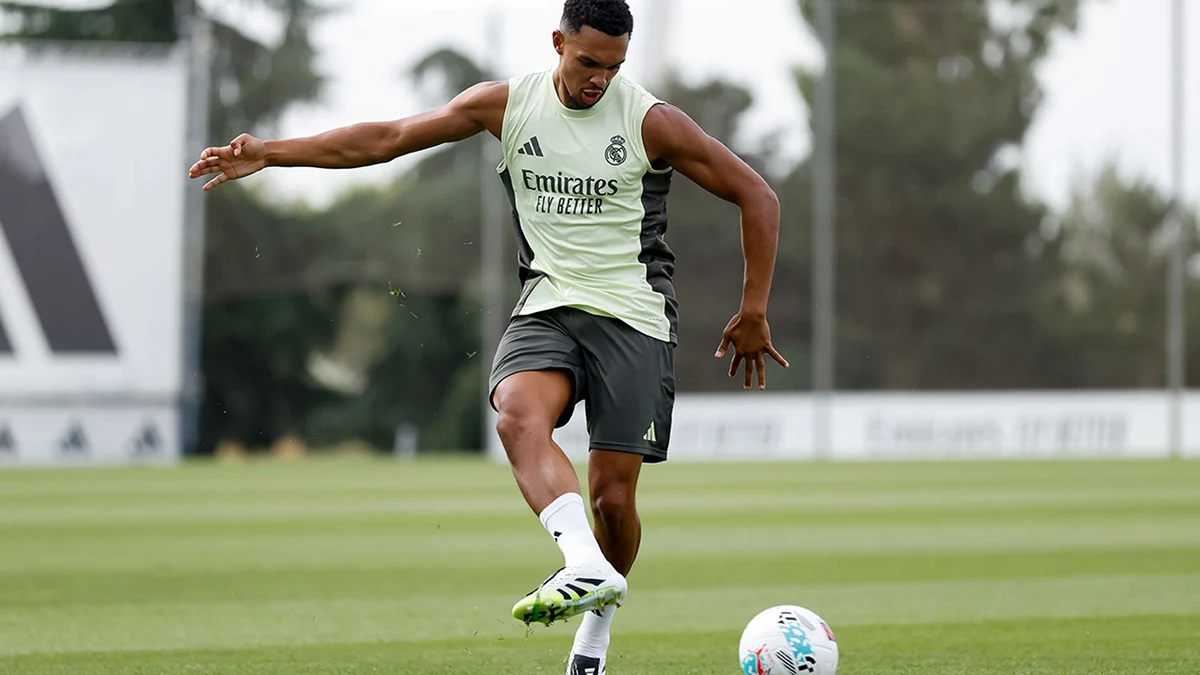
Trent Alexander-Arnold Struggles for a Starting Role at Real Madrid
Trent Alexander-Arnold arrived at Real Madrid in the summer of 2025 from Liverpool with a reputation as one of the most creative full backs in Europe, but his start at Real Madrid has not matched those expectations. The Trent Alexander-Arnold Real Madrid story has instead become a question about form, defensive balance and a place in the starting team.
At the age of 28, Alexander-Arnold has seen his early impact fade. He has become a regular on the bench, and reports around the club point to defensive shortcomings as a key reason for the change in status under coach Jose Mourinho. The shift has been clear enough to raise questions about his role, even though the player arrived as a high profile addition.
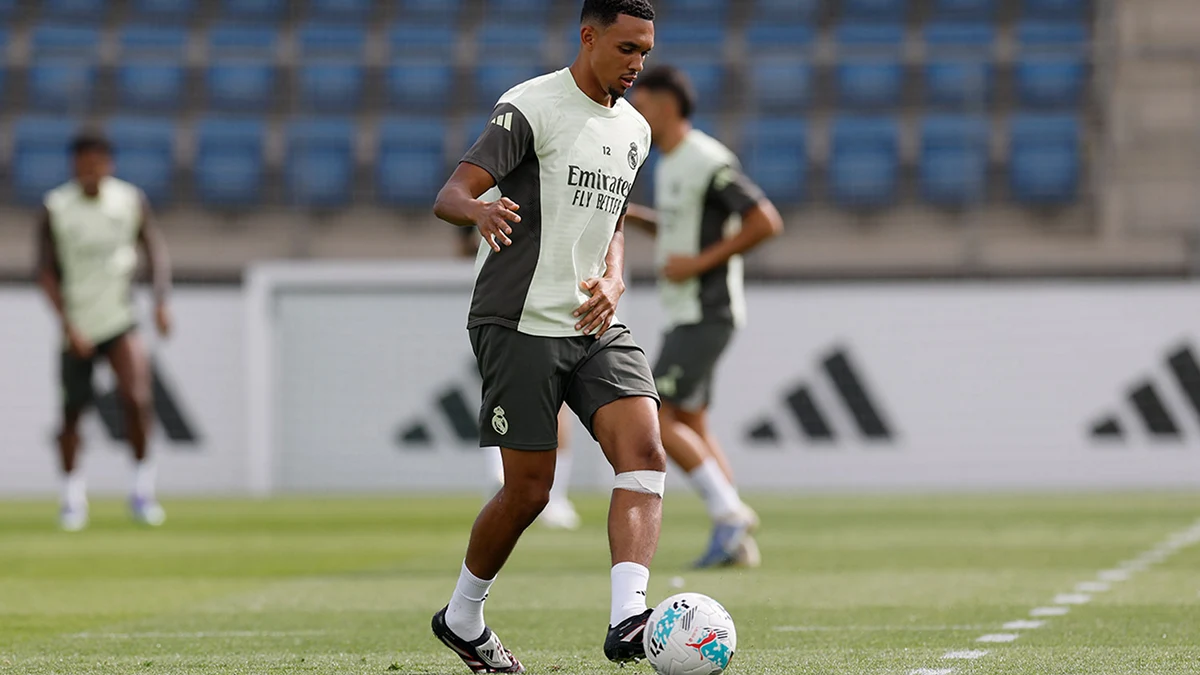
Competition at right back
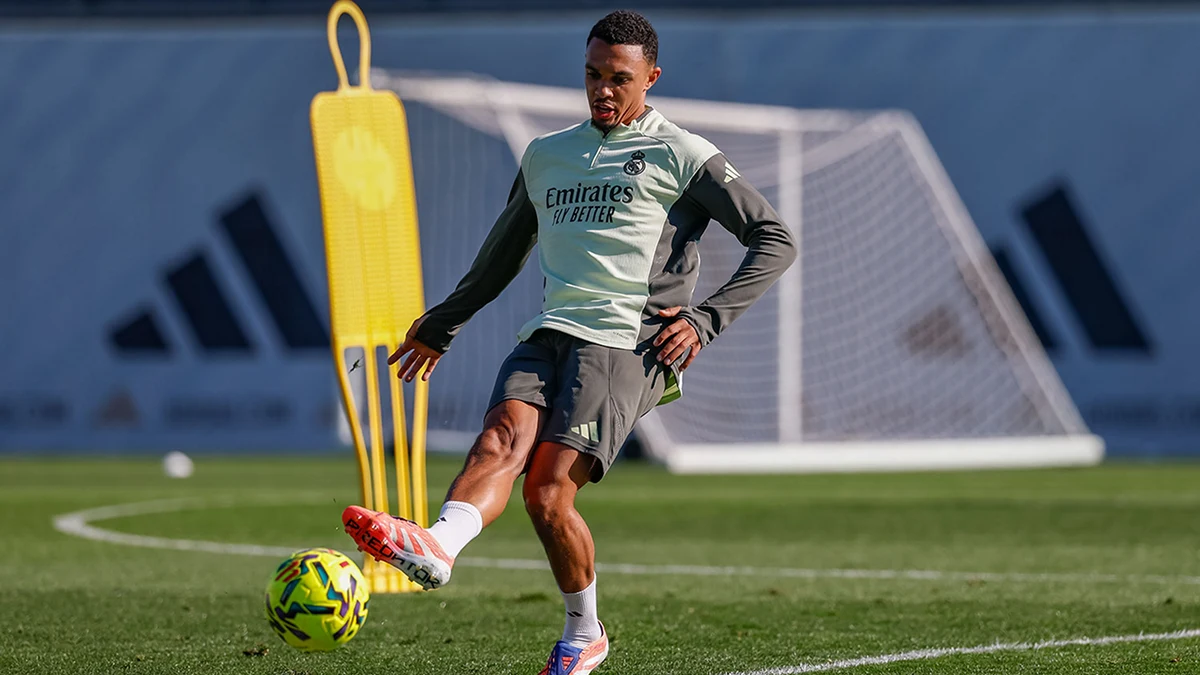
Competition has also shaped the Trent Alexander-Arnold Real Madrid situation. Denzel Dumfries was an early season alternative at right back, while Federico Valverde has been used as a starting right back option. That flexibility has given the coaching staff other ways to set up the team, and it has reduced the pressure to restore Alexander-Arnold to the side at once.
Exit talk has followed the bench role, but an immediate departure is described as extremely complex. High financial demands and a long term contract stand in the way of a quick move. The club position is described as prudent and calm, with the project around Alexander-Arnold described as long term rather than a short term fix.
For now, the challenge for Alexander-Arnold is to rebuild trust in the defensive side of his game and to show that his attacking quality can fit the balance Mourinho wants from the team. A return to the starting team will depend on training form, match selection and the way the right back role is used in the weeks ahead.

Why a bench role changes the story
A move that arrived with high expectations now sits in a different place. Alexander-Arnold joined Real Madrid in the summer of 2025 from Liverpool with a reputation as one of the most creative full backs in Europe. That reputation raised the bar from the first day, and it made every selection a talking point. When a player of that profile spends regular time on the bench, the story shifts from talent to trust, and from promise to proof on the training ground and in matches.
Age and experience add another layer to the debate. At 28, Alexander-Arnold is not a young player learning the game, and he is not a veteran winding down a career. He is in a phase where regular football matters most, because rhythm, sharpness and confidence grow with minutes on the pitch. A long spell on the bench can break that rhythm, and it can also change how a player is judged, because observers see less of the attacking quality that built the reputation in the first place.
How competition at right back works
Competition has shaped the situation as much as form. Denzel Dumfries was an early season alternative at right back, while Federico Valverde has been used as a starting right back option. That flexibility gives the coaching staff more than one way to set up the team, and it allows the side to change shape without changing the whole plan. When a coach has trusted options in the same role, a returning player must earn the place back, rather than walk back into it.
Defensive balance sits at the centre of the selection debate. Reports around the club point to defensive shortcomings as a key reason for the change in status under coach Jose Mourinho. A full back in a top team must defend one against one, cover space behind the attack, and stay calm when the team loses the ball. Attacking quality alone does not settle the role, because a team that concedes from wide areas loses control of matches, even when it creates chances at the other end.
What a way back into the team looks like
Exit talk has followed the bench role, but the path out looks narrow for now. An immediate departure is described as extremely complex, with high financial demands and a long term contract standing in the way of a quick move. The club position is described as prudent and calm, with the project around Alexander-Arnold described as long term rather than a short term fix. That stance points to patience, and it leaves the focus on the work in front of the player, rather than on a transfer window.
For now, the challenge is clear and practical. Alexander-Arnold must rebuild trust in the defensive side of his game and show that his attacking quality can fit the balance Mourinho wants from the team. A return to the starting team will depend on training form, match selection and the way the right back role is used in the weeks ahead. Small steps can matter here, because a strong cameo, a clean defensive display, or a calm performance in a tight match can shift the view of a coach faster than a long debate about reputation.
FAQ
When did Trent Alexander-Arnold join Real Madrid?
He arrived at Real Madrid in the summer of 2025 from Liverpool.
Why is Trent Alexander-Arnold on the bench at Real Madrid?
Reports point to defensive shortcomings and strong competition for the right back role.
Who else has played at right back for Real Madrid?
Denzel Dumfries was an early season alternative, while Federico Valverde has been used as a starting right back option.
Will Trent Alexander-Arnold leave Real Madrid soon?
An immediate departure is described as extremely complex because of high financial demands and a long term contract.