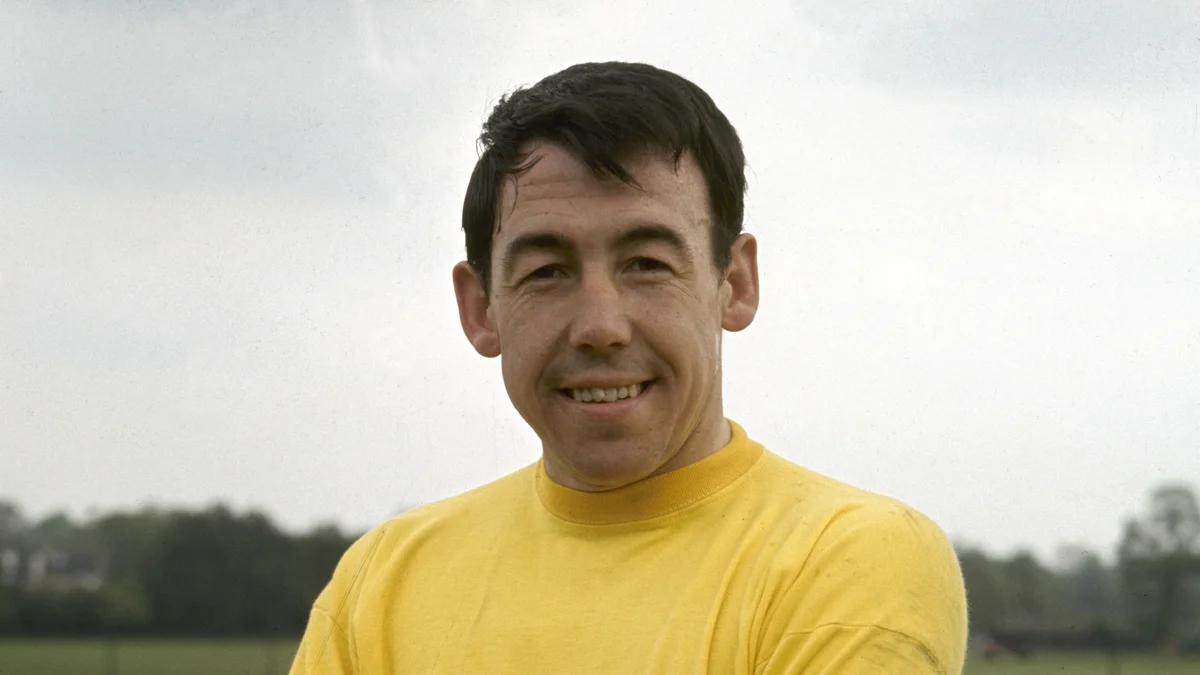
Gordon Banks Biography: Age, Wife, Family, Career, Stats, Records and Net Worth
Gordon Banks is widely regarded as one of the greatest goalkeepers in the history of football. He played every game of the 1966 World Cup win of England, kept clean sheets against Uruguay, Mexico, France and Argentina in that tournament, and four years later produced a save against Brazil that many still call the save of the century. He made 73 appearances for England and 682 appearances at club level, and he achieved all of it before a car crash cost him the sight in one eye at the age of 34.
This Gordon Banks biography covers his age, wife, family, career, stats, records and net worth, from a bricklayer in Sheffield to the top of world football, the crash that ended his career in England, a comeback in America with one eye, and a later life shaped by honours, hardship and respect across the game.
Quick Facts
| Detail | Fact |
|---|---|
| Full name | Gordon Banks |
| Date of birth | 30 December 1937 |
| Place of birth | Sheffield, England |
| Date of death | 12 February 2019, aged 81 |
| Place of death | Madeley, Staffordshire, England |
| Position | Goalkeeper |
| Clubs | Chesterfield, Leicester City, Stoke City, Fort Lauderdale Strikers |
| England | 73 caps |
| Honours | OBE, World Cup winner 1966 |
Early Life and Education
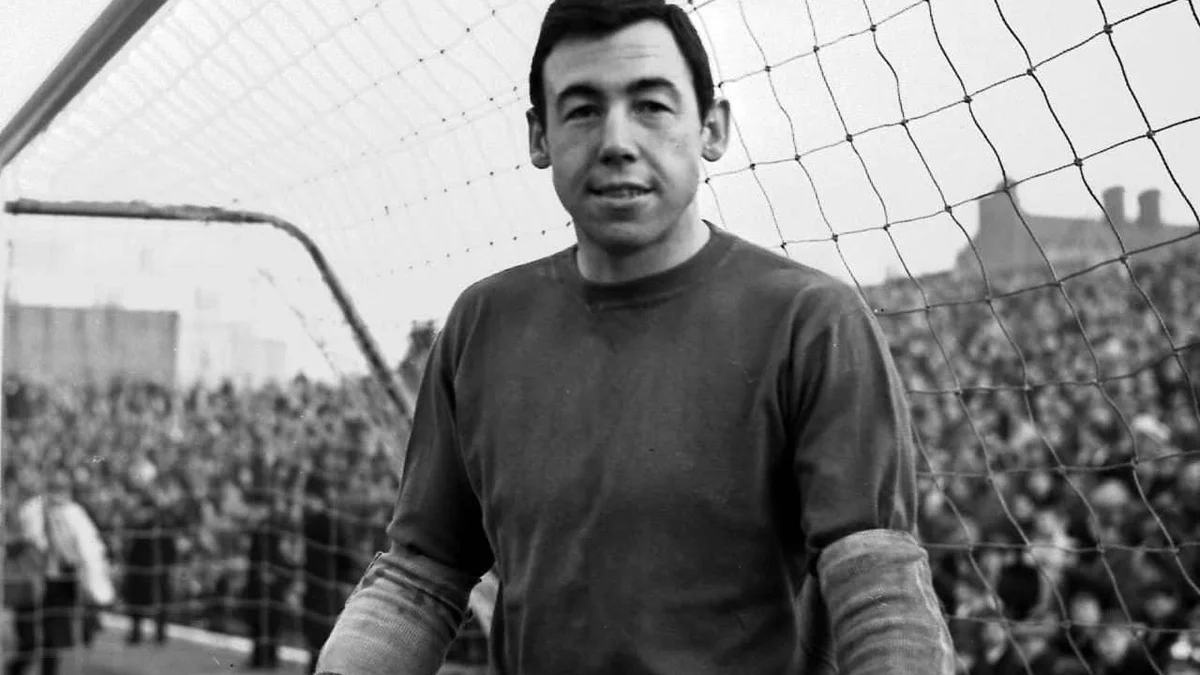
Gordon Banks was born on 30 December 1937 in Sheffield, in the West Riding of Yorkshire. He grew up in a working-class family in a city built on steel, and he left school at 15 to work. He worked as a bricklayer while he played youth football, and the physical work of the building trade shaped the strength that later marked his goalkeeping.
Banks played for local youth sides Millspaugh and Rawmarsh Welfare before Chesterfield offered him a trial near the end of the 1952-53 season. The trial succeeded, and he joined Chesterfield in March 1953. He played for the youth team of Chesterfield in the 1956 FA Youth Cup final, where the side lost to Manchester United. National service interrupted his progress, and he served in Germany with the Royal Signals. During that service in 1955 he met his future wife, Ursula.
Family
Banks met Ursula during his national service in Germany in 1955. The couple married in 1957 and had three children: Robert, Wendy and Julia. The marriage went through a difficult period when Banks played in America, and the couple separated for a time. They reunited when Banks returned to England, and Ursula survived him at his death in 2019.
Family life stayed close to football. His children grew up around the game, and the money from the later sale of his World Cup winners medal helped his three children buy their first houses. Banks kept his private life modest and out of the spotlight, and his family asked for privacy at the time of his death.
Club Career
Chesterfield
Banks made his first-team debut for Chesterfield in November 1958 in the Third Division. He had only 23 league appearances to his name when Leicester City signed him in 1959 for a fee of 7,000 pounds. The move took him from the Third Division to the First Division, and it came while he was still working as a bricklayer.
Leicester City
Banks spent eight seasons at Leicester City, from 1959 to 1967, and made 356 appearances in all competitions for the club. He helped Leicester reach four cup finals. The club lost the FA Cup finals of 1961 and 1963, won the League Cup in 1964 against Stoke City, and finished as a finalist in the League Cup again in 1965. He became the first-choice goalkeeper of England during this period, yet Leicester dropped him after the 1966 World Cup. The club had the teenage Peter Shilton on its books, and it sold Banks to Stoke City in April 1967 for 50,000 pounds, a then world-record fee for a goalkeeper.
Stoke City
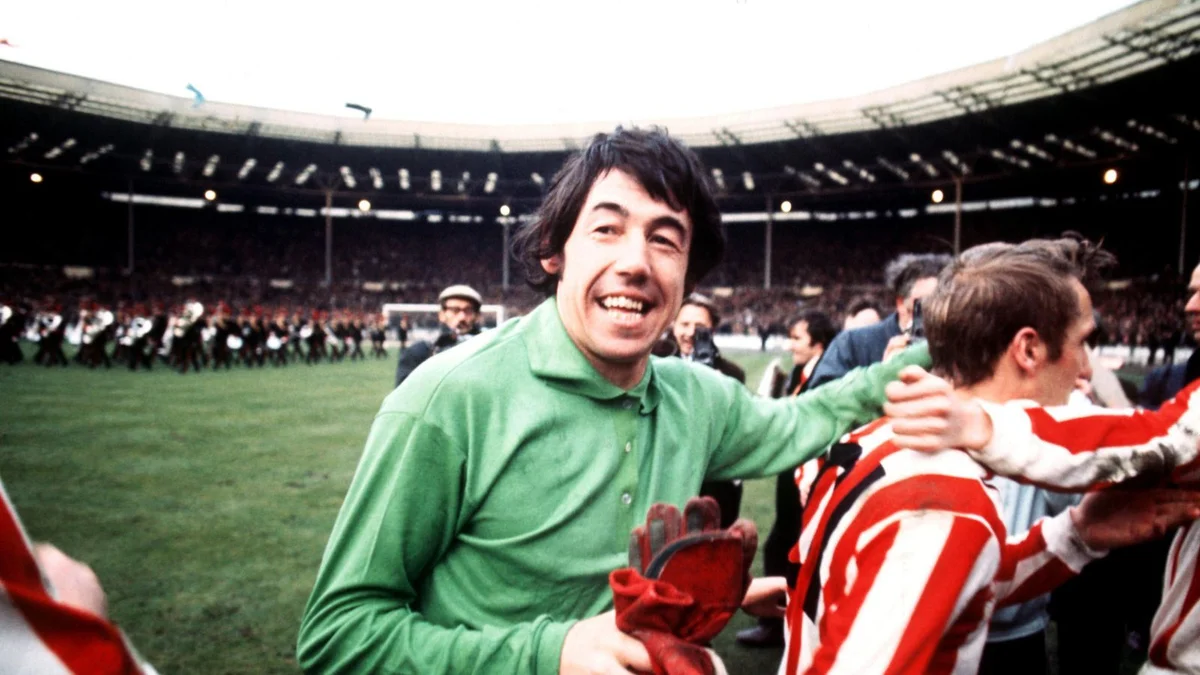
Banks spent six seasons at Stoke City, from 1967 to 1973, and made 250 appearances in all competitions for the club. The high point came in the 1971-72 season, when Stoke won the League Cup, the only major honour of the club. On the way to the final, Banks saved a penalty from Geoff Hurst in the semi-final against West Ham United, and Stoke then beat Chelsea in the final. At the end of that season he was named FWA Footballer of the Year, the first goalkeeper to win the award in 16 years.
He was still the number one goalkeeper of Stoke and England when his career in England ended in October 1972. Banks was involved in a car crash in his Ford Consul near his home in Madeley Heath. Fragments of glass perforated his right eye and damaged the retina. Surgeons put 100 micro stitches to the eye and a further 200 stitches to his face. He lost the sight in his right eye and retired from football in England in the summer of 1973 at the age of 34.
America and loan spells
Banks also played short loan spells away from his main clubs. He played seven games for Cleveland Stokers in the United States in 1967 and three games for Hellenic in South Africa in 1971. In 1977 he played one game on loan in Ireland, and in the same year he began a comeback in America.
He joined Fort Lauderdale Strikers in 1977 and played two seasons in the North American Soccer League. Despite having vision in only one eye, he was named NASL Goalkeeper of the Year in 1977 after posting the best defensive record in the league. He made 39 appearances in all competitions for the club before he retired for good in 1978.
International Career
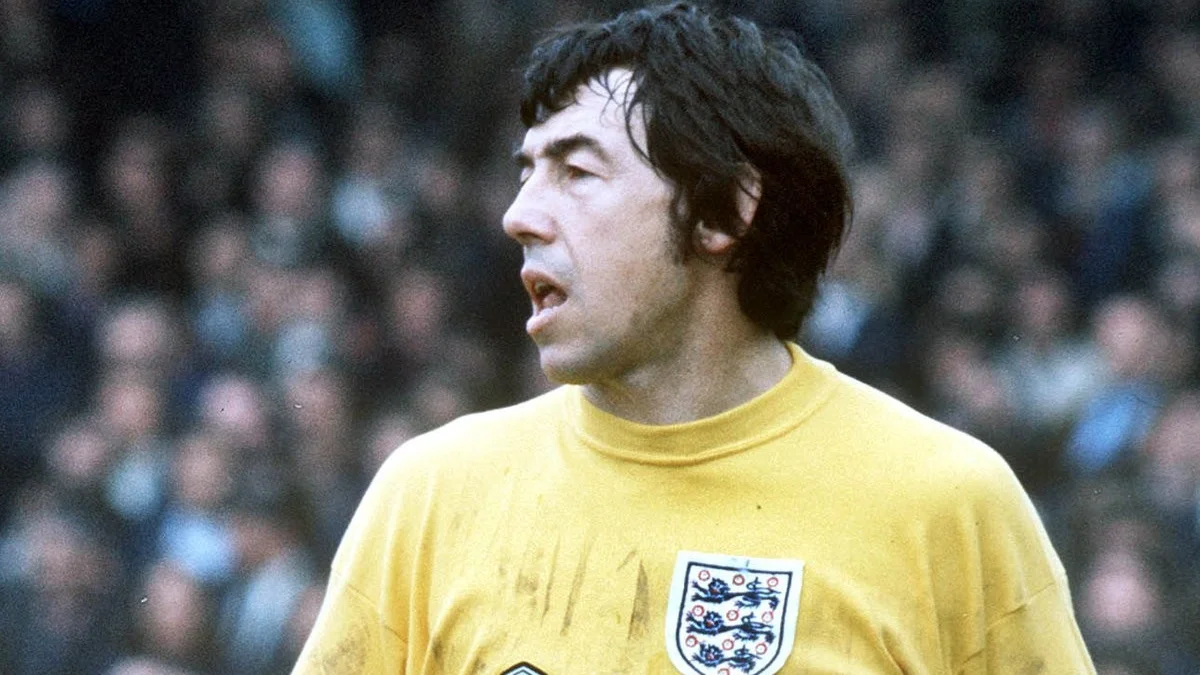
Banks won his first cap for England on 6 April 1963 against Scotland at Wembley. England lost 2-1, but Banks soon became the established first-choice goalkeeper under manager Alf Ramsey. He played twice for the England under-23 side in 1961 before he won his senior caps, and he built a run of 73 caps between 1963 and 1972.
At the 1966 World Cup on home soil, Banks played all six games of the England campaign. He kept clean sheets against Uruguay, Mexico and France in the group stage and against Argentina in the quarter-final. He conceded his first goal of the tournament to a penalty from Eusebio in the 2-1 semi-final win over Portugal, and he conceded two goals in the 4-2 final win over West Germany at Wembley. England won the World Cup, and Banks stood as the goalkeeper behind the triumph.
At the 1970 World Cup in Mexico, Banks went into the tournament with 59 caps and as the undisputed number one goalkeeper of England. He played the three group games against Romania, Brazil and Czechoslovakia. The game against Brazil on 7 June 1970 at the Estadio Jalisco in Guadalajara produced the most famous save of his career. Jairzinho crossed from the right, Pele rose to meet the cross with a powerful downward header, and Banks moved across his goal to scoop the ball over the bar with his right hand. Pele had already started to celebrate, and the save left players on both sides in disbelief. Brazil won the game 1-0 through a second-half goal from Jairzinho.
Banks then missed the quarter-final against West Germany because of a stomach illness. Peter Bonetti replaced him, England led 2-0, and West Germany came back to win 3-2. Many supporters believed that England would have held the lead with Banks in goal, but the result stood. Banks later dismissed claims that he had been poisoned before the match, and no evidence supported those claims.
England finished third at the European Championship in 1968, and Banks remained the first-choice goalkeeper through the cycle that followed. His last England appearance came in 1972. He finished with 73 caps, and Peter Shilton, his old understudy at Leicester, later took the number one shirt for England.
Managerial Career
Banks managed Telford United in the 1979-80 season. The spell lasted one full season. In November 1980 he left Jackie Mudie in temporary charge of team affairs while he underwent surgery. On his return to the club, Banks was sacked. He later said that the treatment broke his heart and that he did not want to stay in the game. The Telford spell was his only job as a manager, and he never managed again.
Playing Style
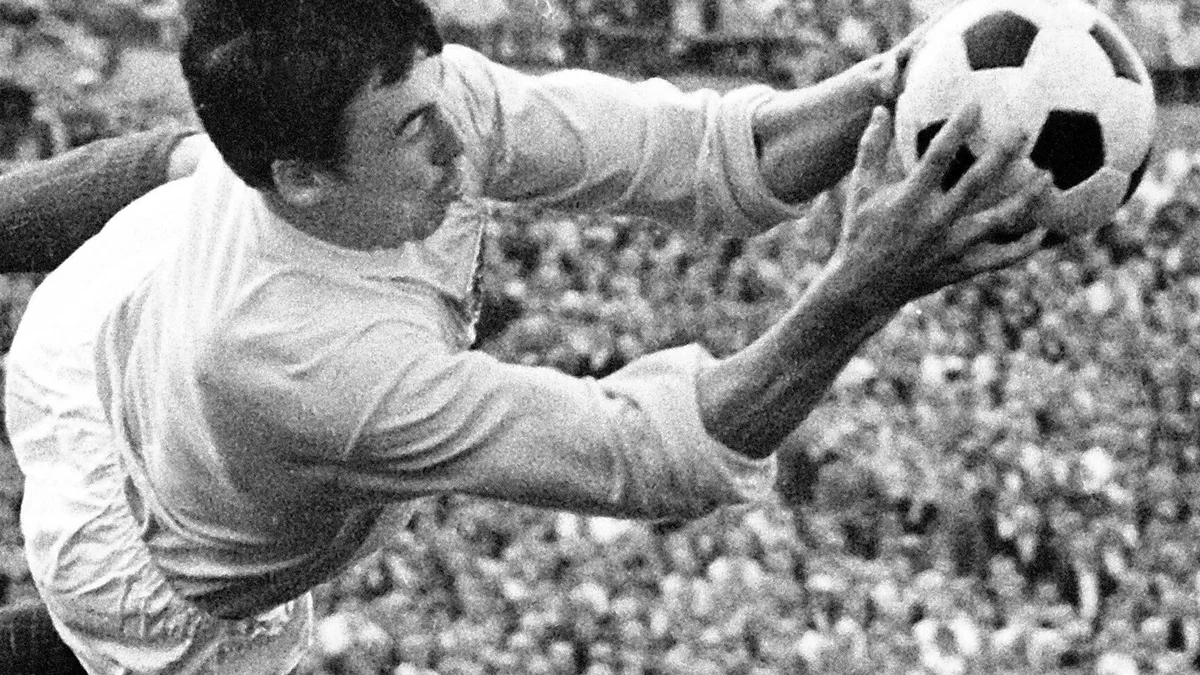
Banks was an excellent, consistent and instinctive goalkeeper. He combined physical strength and athleticism with superb shot-stopping ability. His positional sense was one of his best assets, and he often said that reading the game mattered more than spectacular diving. He was known for safe handling, awareness, composure and mental strength, and for agility, speed and quick reflexes that allowed acrobatic saves such as the stop from the header of Pele.
He was also a vocal goalkeeper who organised the defence in front of him. He learned to marshal a defence while still a teenager at Chesterfield, where the club had no goalkeeping coach, and he carried that command into his England career. His calm manner settled defenders, and his clean handling removed second chances for opponents. He did not rely on drama. Timing, position and a safe pair of hands made him one of the most trusted goalkeepers of his era.
Stats
The tables below cover his club career by club, his league record by club, his England record by year, and his record at World Cup finals.
| Club | Appearances | Goals |
|---|---|---|
| Chesterfield | 26 | 0 |
| Leicester City | 356 | 0 |
| Stoke City | 250 | 0 |
| Cleveland Stokers (loan) | 7 | 0 |
| Hellenic (loan) | 3 | 0 |
| Fort Lauderdale Strikers | 39 | 0 |
| St Patrick Athletic (loan) | 1 | 0 |
| Total | 682 | 0 |
| Club | League appearances | League goals |
|---|---|---|
| Chesterfield | 23 | 0 |
| Leicester City | 293 | 0 |
| Stoke City | 194 | 0 |
| Cleveland Stokers (loan) | 7 | 0 |
| Hellenic (loan) | 3 | 0 |
| Fort Lauderdale Strikers | 37 | 0 |
| St Patrick Athletic (loan) | 1 | 0 |
| Total | 558 | 0 |
| Year | England appearances | England goals |
|---|---|---|
| 1963 | 7 | 0 |
| 1964 | 7 | 0 |
| 1965 | 7 | 0 |
| 1966 | 15 | 0 |
| 1967 | 4 | 0 |
| 1968 | 6 | 0 |
| 1969 | 6 | 0 |
| 1970 | 10 | 0 |
| 1971 | 7 | 0 |
| 1972 | 4 | 0 |
| Total | 73 | 0 |
| Tournament | Appearances | Goals conceded |
|---|---|---|
| World Cup 1966 | 6 | 3 |
| World Cup 1970 | 3 | 1 |
| Total | 9 | 4 |
Records
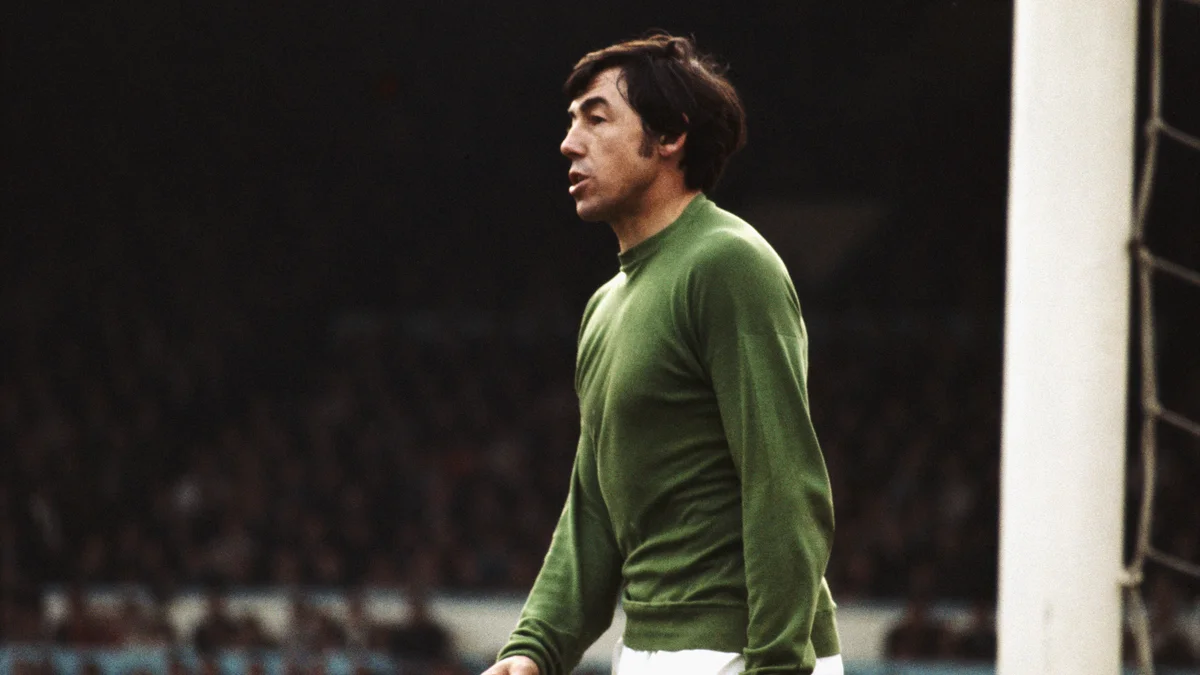
Banks was named FIFA Goalkeeper of the Year six times in a row, in 1966, 1967, 1968, 1969, 1970 and 1971. No goalkeeper of his era matched that run, and the streak stands as the clearest measure of his standing in world football at the time.
He was the first goalkeeper in 16 years to win the FWA Footballer of the Year award when he won it in 1972. He was also named NASL Goalkeeper of the Year in 1977 despite having vision in only one eye, a feat without a parallel in top-level football. The IFFHS named him the second-best goalkeeper of the 20th century, behind Lev Yashin.
His 73 England caps stood as a landmark total for an England goalkeeper at the time of his retirement. His four clean sheets in six games at the 1966 World Cup remain one of the strongest goalkeeping records in a single World Cup win. The save against Pele in 1970 remains one of the most replayed moments in the history of the tournament.
Awards and Honours
Banks won the World Cup with England in 1966 as the first-choice goalkeeper in every game. England also finished third at the European Championship in 1968, and Banks won multiple British Home Championship titles with England across the 1960s and early 1970s.
With Leicester City he won the League Cup in 1964. With Stoke City he won the League Cup in 1972. He was named to the FIFA World Cup All-Star Team in 1966. He was awarded an OBE in 1970, and he learned of the honour while England waited to face Brazil at the 1970 World Cup.
He entered the English Football Hall of Fame in 2002 as an inaugural inductee. Stoke City appointed him as club president in 2002, and the club unveiled a statue of Banks holding the Jules Rimet trophy aloft outside the Britannia Stadium in 2008. Pele attended the unveiling and described Banks as a goalkeeper with magic.
Net Worth
No verified figure exists for the net worth of Banks at the time of his death. Published estimates from celebrity wealth sites put the figure at around 5 million dollars, but those sites publish no verified financial records to support the number. This article states no figure as fact, because no figure has been confirmed by a reliable source.
What is known is that Banks earned far less from football than modern players earn. He played in the era of the maximum wage, and he lost a significant sum of money when a Leicester-based hospitality company failed. Leicester City later offered him a belated testimonial match in 1995 to help him. In 2001 he sold his World Cup winners medal at Christies for 124,750 pounds, and his international cap from the final was also sold for 27,025 pounds. The money from the sales helped his three children buy their first houses.
Later Life and Legacy
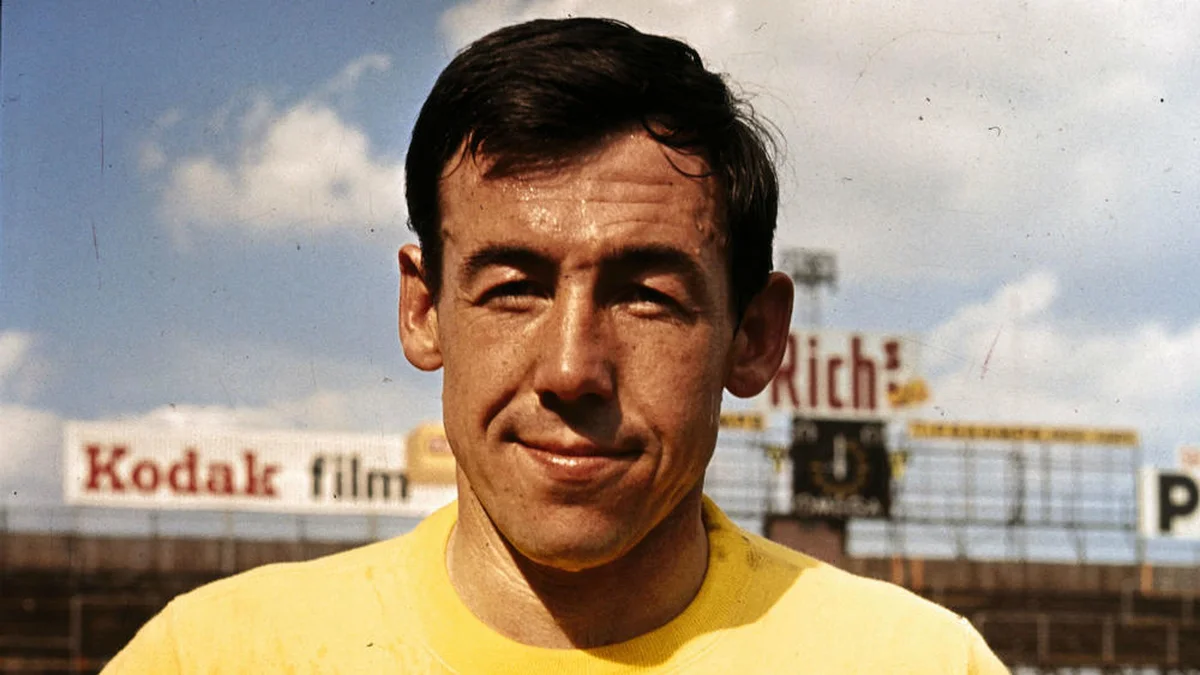
After he left management, Banks stayed close to football in quieter roles. From the 1980s he was a member of the three-man football pools panel. He served as president of Stoke City from 2002, and he remained a respected figure at the club until his death. Supporters at Stoke and Leicester both regarded him as one of their own, and his statue at Stoke stands as a permanent mark of that respect.
His later years brought serious health problems. He lost a kidney to cancer around 2005, and in 2015 he revealed that he was fighting kidney cancer for a second time. He died in his sleep at home in Madeley on 12 February 2019, aged 81. His funeral took place on 4 March 2019 at Stoke Minster in Stoke-on-Trent. Family, friends and former team-mates attended, and tributes came from across football, including from Geoff Hurst, who called him one of the very greatest.
His legacy rests on the two moments that defined him: the clean sheets that carried England to the World Cup in 1966, and the save that denied Pele in 1970. For supporters who saw him play, and for the generations who know him only through that save, Banks remains the standard against which English goalkeepers are measured. He wore his fame lightly, and the game remembered him as a gentleman as much as a goalkeeper.
Conclusion
Gordon Banks rose from a bricklayer in Sheffield to the top of world football, and he did it with calm handling, sharp positioning and a gift for the impossible save. From the World Cup win of 1966 to the save of the century in 1970, from the crash that cost him the sight in one eye to a comeback in America, his life joined rare achievement with rare modesty. The record of six straight FIFA Goalkeeper of the Year awards still stands as proof of his standing, and the save against Pele remains one of the great moments in the history of the game.
FAQs
How old was Gordon Banks when he died?
Gordon Banks was born on 30 December 1937 and died on 12 February 2019 at his home in Madeley, aged 81.
How many caps did Gordon Banks win for England?
Gordon Banks won 73 caps for England between 1963 and 1972. He played every game of the 1966 World Cup win and three group games at the 1970 World Cup.
What was the save of the century by Gordon Banks?
The save of the century came on 7 June 1970 against Brazil at the World Cup in Mexico. Jairzinho crossed from the right, Pele met the cross with a powerful downward header, and Banks moved across his goal to scoop the ball over the bar with his right hand. Brazil won the game 1-0, but the save remains one of the most famous moments in football.
How did Gordon Banks lose the sight in one eye?
Banks lost the sight in his right eye in a car crash in October 1972 near his home in Madeley Heath. Fragments of glass perforated his right eye and damaged the retina. Surgeons put 100 micro stitches to the eye and a further 200 stitches to his face. He retired from football in England in the summer of 1973.
Who was the wife of Gordon Banks?
The wife of Gordon Banks was Ursula. The couple met in 1955 during the national service of Banks in Germany, married in 1957, and had three children: Robert, Wendy and Julia. They separated for a time while Banks played in America, then reunited on his return to England.
What did Gordon Banks do after football?
After football, Banks managed Telford United in the 1979-80 season, served on the football pools panel from the 1980s, and became president of Stoke City in 2002. A statue of Banks holding the Jules Rimet trophy aloft was unveiled outside the Britannia Stadium in 2008. He died in 2019, aged 81.